ICMI Newsletter - December 2025
Editors:
Jean-Luc Dorier (ICMI Secretary-General)
Jinfa Cai (ICMI Vice President)
Lena Koch (ICMI Administrative Manager)
Technical support:
Vanessa Chung, IMU Secretariat
Publishing dates:
March 15, June 15, September 15, December 15
Editorial
– From the desk of Betina Duarte, ICMI Vice-President (2025-2028), Universidad Pedagógica – Argentina
 The new ICMI Executive Committee is now concluding its first year of work. Those of us who have had the opportunity to begin this endeavor share a mixed feeling of great privilege—stemming from the chance to work alongside people we admire on issues we consider essential—and a certain vertigo when engaging with problems and projects of both regional and global scope.
Through our activity, we seek to promote initiatives that support the work of those interested in mathematics education and who face challenges on a daily basis—especially teachers of the discipline but also decision-makers in educational management. This commitment is always present at the ICMI working table, in constant dialogue with the research communities in the field.
Reflecting on the intense calendar of regional and global mathematics education meetings, I believe it has been a prolific year of gatherings among diverse educational communities across different continents. Without aiming for completeness, some notable events include: the European Society for Research in Mathematics Education Conference, CERME 14, held in Italy in February; the Francophone Mathematics Education Conference, EFM 2025, in Canada; the 48th Conference of the International Group for the Psychology of Mathematics Education (PME), held in July in Chile (already discussed in the September ICMI Newsletter by Professor Jinfa Cai); the Ninth East Asia Regional Conference on Mathematics Education, 9th EARCOME, in Korea; and the Fourth Central America and Caribbean Congress on Mathematics Education, IV CEMACYC, in the Dominican Republic. These gatherings illustrate just a portion of this year’s activity among mathematics education communities worldwide. Across these events, discussions on the teaching of mathematics in the context of artificial intelligence were prominent. Technology presents new challenges, and the entire community is, at the very least, unsettled.
Our need to reach broader audiences encourages us to consider hybrid meeting formats, with all the advantages and challenges they entail. The balance between expanding access and managing the complexity of such events remains unstable, calling for further reflection. Many educational communities are unable to afford travel, among other constraints related to limited resources. Inequity persists, and our commitment is to work towards more equitable opportunities.
Focusing on Latin America, I had the honor of participating—through a keynote lecture—in II PROFMAT, the meeting of mathematics teacher education programs in Brazil, held at the Federal University of Mato Grosso do Sul in Campo Grande. I would like to highlight that the Brazilian Mathematical Society, together with the Brazilian Society for Mathematics Education, created a graduate training program for mathematics teachers that will celebrate its 15th anniversary next year. This initiative deserves close attention, particularly in light of the challenges of mathematics teaching in Brazil, many of which are shared with other Latin American countries.
Turning to my country, I am writing this editorial while looking out over the mountains of Bariloche, a uniquely beautiful and majestic city in Argentina. Here, the XLVIII Meeting on Mathematics Education is taking place as part of the annual conference of the Argentine Mathematical Union (UMA), which is celebrating its LXXIV Meeting on Scientific Communications. Each year, this gathering offers a valuable opportunity for dialogue between the mathematical and mathematics education communities. This year, as happens every four years, the event is enriched by the participation of the Royal Spanish Mathematical Society, allowing us to share academic activities with colleagues from both communities in Spain.
From my position at the National Pedagogical University (UNIPE), an institution devoted to the initial and continuing training of teachers, I am deeply moved by the daily efforts of those working at the forefront of heterogeneous and demanding classrooms across Latin America. I imagine this reality is not exclusive to my region and is likely shared in other parts of the world. I believe that research in mathematics education faces a significant challenge here: to draw near, to observe with care, to study, understand, and ultimately provide tools to improve mathematics education in developing countries.
My responsibility within ICMI has led me to oversee and promote two projects, both closely aligned with the goal of connecting educational communities and encouraging collaboration to strengthen mathematical and didactical preparation. One of these is the CANP—Capacity and Network Project—whose purpose is to provide learning experiences in mathematics and its teaching to teachers and teacher educators, with the aim of generating a multiplier effect within each of the five established networks. I see in this initiative a major challenge, particularly the need for strong local institutional support. At the same time, I am encouraged by the potential benefits such a project can bring to each region.
The other initiative is the ICMI–AMOR project, led from the General Secretariat and driven primarily by Jean-Luc Dorier. It has already gained strong momentum this year. We have established an advisory board composed of researchers—both emerging and highly experienced—whose diverse perspectives have greatly enriched the project. Next year, we will begin a series of webinars to introduce the community to these multimedia resources, explore their potential uses, and give visibility to those who are already integrating them into their work.
Even as we address urgent issues, we must continue looking ahead toward a global initiative that has earned broad support among researchers worldwide: building a strong network capable of reaching consensus and engaging in productive disagreement, always with an understanding of others’ perspectives and needs, and committed to improving mathematics teaching across borders.
To conclude this editorial, I would like to invite all those who feel called to make a generous contribution to the improvement of mathematics education to contact me or any member of the Executive Committee. I also extend a warm greeting to the educational community at large and especially to all who are dedicated to the mathematical education of future generations.
Call for Nominations for the 2028 ICMI Awards
Call for the 2028 ICMI Awards:
- Felix Klein Award for lifelong achievement in mathematics education research
- Hans Freudenthal Award for a major program of research on mathematics education
- Emma Castelnuovo Award for outstanding achievements in the practice of mathematics education
Deadline for nominations for the three Awards is: November 30, 2026.
Call to bid to organize and host ICME-17 in 2032
Call for intention to bid to organize and host ICME-17 in 2032
ICME is the largest international conference on mathematics education. It is held every leap year and it is the meeting point for mathematics educators, curriculum developers, mathematicians, researchers in mathematics education, teachers, teacher educators, and resource producers.
The three ICMI Awards to recognize outstanding achievement in mathematics education are presented at the ICME Opening Ceremony. The Felix Klein Award and Hans Freudenthal Award were established in 2000 and first presented in 2003. While the Felix Klein Award honors lifetime achievement in mathematics education research, the Hans Freudenthal Award instead recognizes a major cumulative program of research. The Emma Castelnuovo Award, first presented in 2016, acknowledges outstanding achievements in the practice of mathematics education.
On the day before the ICME Opening Ceremony, the ICMI hosts a one-day meeting of its General Assembly (GA). Recent ICMEs have also featured a separate Early Researcher Day, usually held before the Congress begins.
ICMI is hereby inviting the ICMI community (ICMI country representatives, national/regional mathematics education and mathematics organizations, and academic institutions) to consider the possibility of organizing and hosting the International Congress on Mathematical Education in July/August 2032.
Please note: Applications by convention centers, tourist agencies, or any other commercial organization will not be considered.
ICMI AMOR first Webinar
Save the date February 24, 2026
In order to make the project ICMI AMOR better known and more used, the ICMI AMOR Advisory Board has decided to launch a series of webinars.
The first webinar will be held on Tuesday, February 24, 2026. In order to reach as many people around the world as possible it will be repeated in two sessions in different time zones: 7 a.m. and 5 p.m. UTC.
The purpose of this first webinar will be to present the whole project and to discuss some of its uses. The first part of the webinar will be presented by Michèle Arigue, Marianna Bosch, Jean-Luc Dorier, and Anna Sfard and the second part will include people who used AMOR in their teaching at various levels and in different contexts.
The details and the link will be sent in January through various lists and will be posted on the ICMI website.
Good news about past ICMI Studies Volumes
We are pleased to announce that, in the coming weeks, all ICMI Study Volumes will be freely accessible online through our website.
Beginning with ICMI Study 23, ICMI established an agreement with Springer to ensure that all newly published volumes are available as open access. In addition, through the valuable support of Geoffrey Howson and his contact at Cambridge University Press, we succeeded in making ICMI Studies 1 to 5 openly accessible.
We subsequently secured open-access availability for ICMI Studies 19, 21, and 22.
We are now delighted to share that a new agreement with Springer will allow us to make the remaining Study Volumes (ICMI Studies 6 to 18 and 20) available as PDF files on the ICMI website. These files will be hosted with Springer’s permission, with copyright retained by Springer.
Mathematics Education Context
Updates on Short Descriptions of the Mathematics Education Context in Different Countries
As announced in the last newsletter, when reshaping its website, ICMI EC decided to replace the database project with a wider presentation of the context of mathematics education in every ICMI country according to the following 5 sections:
- Associations for Mathematics Education
- Research Institutions for Mathematics Education Research
- Journals for Mathematics Education Research
- Mathematics Teacher Education
- National Syllabi and Standards
At the moment, the information is accessible for the following 34 countries: Argentina, Australia, Austria, Bangladesh, Belgium, Bulgaria, Chile, Costa Rica, Czech Republic, Finland, France, Georgia, Germany, Greece, India, Italy, Ivory Coast, Kenya, Latvia, Luxembourg, the Netherlands, Norway, Malawi, the Philippines, Poland, Senegal, Singapore, Slovenia, South Africa, Switzerland, Thailand, Tunisia, Uruguay, and the United States.
We hope that this list will grow rapidly!
Updates on ICME-16
First IPC meeting held in Prague
Merrilyn Goos (ICMI President) and Jean-Luc Dorier (ICMI Secretary-General)
 We’re happy to report that preparations for ICME-16, to be held in Prague from July 9-16, 2028, are progressing smoothly. In the last newsletter (September 2025), Local Organizing Committee co-chair, David Janda, described some of the work that needed to be done to get ready for the first meeting of the International Program Committee. The meeting took place in Prague from September 15-19, 2025, and as ex officio IPC members we were delighted to work with this energetic and collaborative group of colleagues (see https://www.icme16.org/committees/ for details of IPC members).
The main purpose of the IPC meeting was to select researchers from all over the world for invited roles in the Congress program: plenary lectures, plenary panels, survey teams, invited lectures, and Topic Study Group co-chairs and organizing team members. Before the IPC meeting, the ICMI Executive Committee asked all ICMI Country Representatives and ICMI Affiliate Organization representatives to suggest people from their regions or organizations who could be considered for these invited roles. IPC members were also required to propose potential invitees. Over an intensive five days these elements of the ICME-16 program took shape. In October 2025, invitations were issued for the parts of the program described above. The names of those who have accepted their role in the congress will start appearing on the congress website in 2026.
We thank all IPC members for their dedicated work during and before the week of our first meeting. We would especially like to thank congress convenor, prof. Naďa Vondrová, for her expert chairing of the meeting, which was ably supported by LOC co-chairs David Landa and Ladislav Kvasz. It was a pleasure to visit Prague, inspect the impressive congress venue (the O2 Universum), and enjoy the sights, sounds, food, and drink of this beautiful city.
We encourage you to start making your plans to participate in ICME-16! You can let the congress organizers know if you intend to join us in Prague by signing up at https://www.icme16.org/interest-form to receive further updates.
International Day of Mathematics
 The 2026 IDM theme is: Mathematics and Hope
The 2026 IDM theme is vital: Hope. Thales said: “Hope is the most universal of all human possessions, those who have nothing else still possess.” More than 2,500 years later, we can say that mathematics is also another “most universal human possession.” More than ever, we need to connect our most universal possessions.
A special invitation is sent to teachers to celebrate the theme, reminding them of the clear mathematical perception of reality and truth, the power of sharing common definitions, the harmony of logic and imagination, the importance of using data in a healthy way, the existence of win-win strategies, and more…
The IDM School Program will again take place in 2026. It connects schools from different countries that share a common language (English, French, Arabic, and Spanish) for a period of several weeks before or around the IDM. Teachers and their classes participate in interesting and inspiring math activities based on the 2026 IDM theme. Participating teachers are offered a free virtual training workshop. Afterward, teachers join a group in a chat tool in the chosen language to exchange ideas and share experiences. Schools can also work more closely together, organizing online meetings and/or live exchanges between students. The IDM team moderates the groups
The recurrent features of the IDM are the following:
- Resources (2026 IDM poster, pins, logos in all languages, etc.) will be offered.
- Activities are proposed in the Organize section, where a new activity is proposed based on the online game, The Evolution of Trust, by Nicky Case.
- A webinar will take place on Friday, March 13, 2026, organized by UNESCO, IMU, and IDM.
The IDM team needs your help to pass the invitation to celebrate to the local community of schoolteachers and/or to the networks of schools of your country. In particular, we are looking for IDM ambassadors in many countries: see IDM page or get in touch at info@idm314.org.
Call for Feedback on the IDM: Together with NaWiK, we are conducting a survey on the IDM to help us improve our resources including the website idm314.org; please fill out the survey. It takes just 5–10 minutes, and all answers are anonymous.
Join us at www.idm314.org!
- Participate in the webinar on Friday, March 13, 2026.
- Visit the IDM website and share photos or videos of your activities on social networks.
- Subscribe to the IDM newsletter to receive all the information in the run-up to IDM 2026.
Contact: info@idm314.org
EMS Lecture Series on Mathematics Education
 Ann Dooms, ICMI Country Representative for Belgium and President of the EMS Education Committee
The European Mathematical Society is thrilled to announce its Lecture Series on Mathematics Education uniting leading experts to explore critical issues and innovative approaches in mathematics teaching, curriculum design, and policy making. These engaging one-hour webinars will occur on the second Friday of each month from January to June 2026 at 7:00 PM CET and will be moderated by Tom Crawford.
This series is aimed towards mathematics teachers, teacher educators, educational researchers, mathematicians in higher education and research, curriculum developers, educational authorities, and policy makers.
Program
January 9
Anna Stokke: Why foundational math skills matter and how to improve them
Because math is hierarchical, students who lack fluency with foundational skills such as basic number sense, arithmetic, and fractions will struggle in more advanced math. What is taught, and how it is taught, matters.
February 13
Nuno Crato & Tim Surma: Improving mathematical learning with principles of human cognition
Explore powerful cognitive science strategies like retrieval practice, spaced learning, and worked examples to build fluency and deep understanding.
March 13
Hung-Hsi Wu: What is school mathematics?
A critical look at the coherence of school mathematics and how to equip teachers with the mathematical knowledge to succeed.
April 10
Sarah Powell: Supporting students with math difficulties
Get to know five research-validated strategies to support students who experience mathematics differently.
May 8
Filip Moons: “d stands for ducks”: Teaching variables on a road scattered with misconceptions
Discover common pitfalls in teaching algebra and learn how to guide students towards a correct understanding of variables.
June 12
Terence Tao: How should students control their AI diet?
Engage with a Fields Medalist's perspective on managing the use of AI tools for a healthy and productive intellectual life.
Practical information will be announced in due time on https://euromathsoc.org/news/ems-lecture-series-on-mathematics-education-190
Report on ICTMT17
Dr Christian Bokhove
Professor in Mathematics Education
Mathematics and Science Education research centre
Southampton Education School
University of Southampton (UK)
https://ictmt17.org.uk/what-is-ictmt/
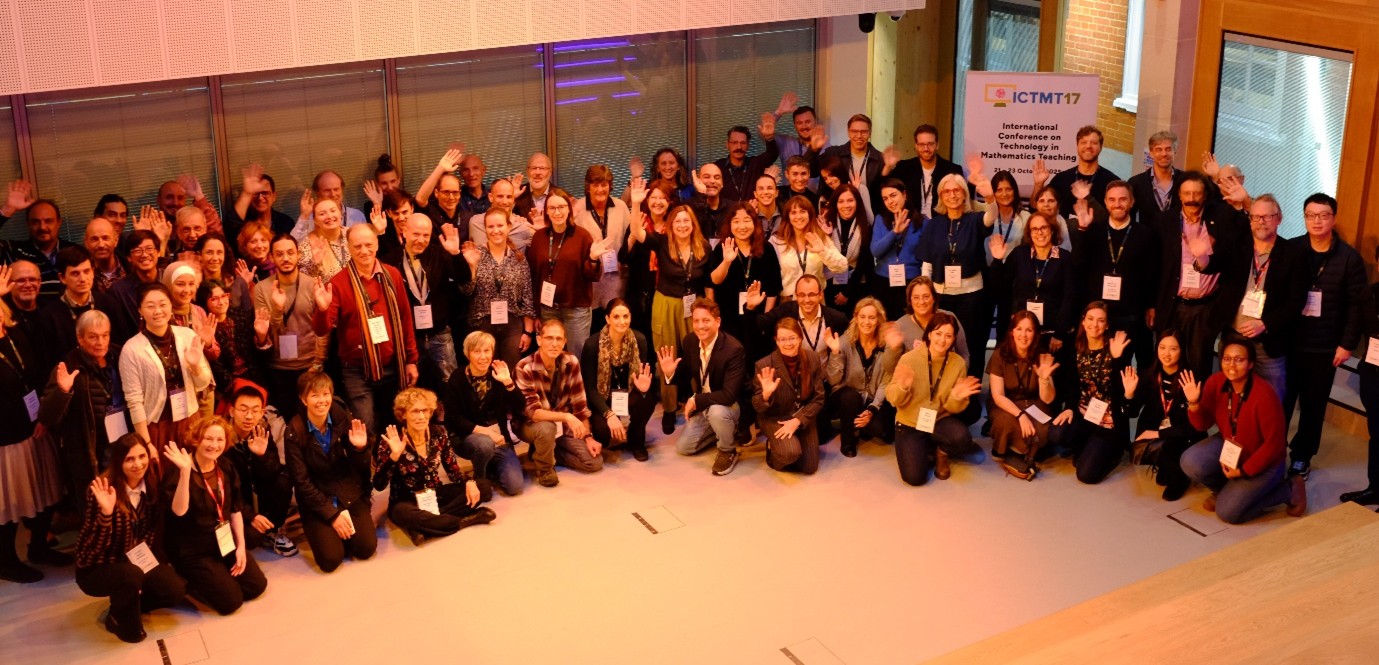
 I recently had the honor to co-chair the 17th International Conference on Technology in Mathematics Teaching (ICTMT17) together with Professor Clark-Wilson in London (UK). The ICTMT conference series, which began in 1993, is unique in its aim to bring three key communities together to discuss, have hands-on experience of, and share research on all aspects of technology use for the teaching and learning of mathematics across all phases of education. This edition again was a vibrant meeting place for academic researchers, practitioners, and technology designers. The conference hosted 100 academic attendees from across the world working in the area of technology use in mathematics education. It was great to see that about 40% were early career researchers, signifying a positive future for the field. On Wednesday, the teacher day, we received an additional 20 practitioners for a day full of workshops and educational practice.
We had a packed program that included paper presentations for around fifty 8-page peer-reviewed papers, sixteen 4-page non-peer-reviewed papers, 15 workshops on the teacher day, and fourteen posters. The conference theme “Innovating more by doing less” prompted conference participants to consider not only what is possible with respect to the design and use of technology but what is feasible within current (and near future) education settings. Papers, posters, and workshops explored many facets of technology use in mathematics education, including practical tool use, classroom research, and also larger scale analyses of technology use in countries. It was clear that generative AI was a very popular theme; there is still a lot to unpack there.
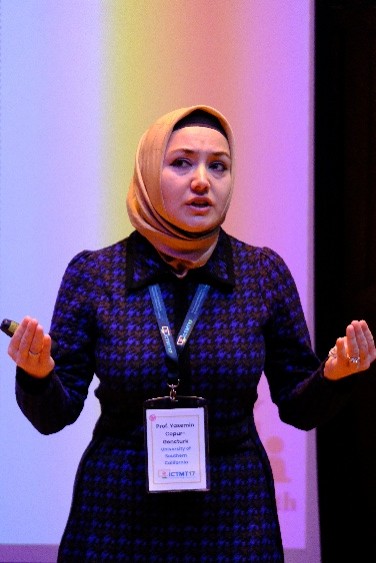
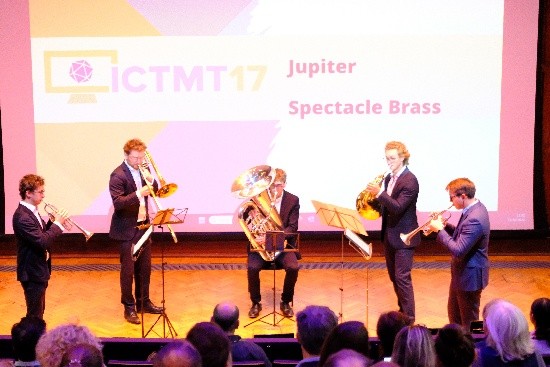
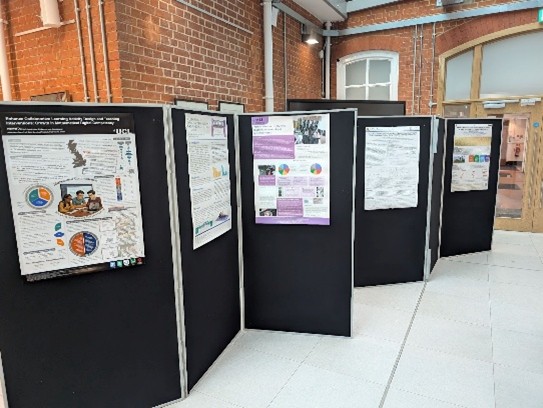
The venue was the beautiful independent school St Paul’s Girls School in Hammersmith. Apart from their quality education provision, the school is known for the composer Gustav Holst having been a teacher at the school and composing his most famous work ‘The Planets.’ It only seemed fitting to arrange an opening of the conference with a performance of a part of that work, ‘Jupiter,’ with the famous music for the hymn ‘I vow to thee my country,’ by the brass instrumental quintet Spectacle Brass.
The first session of the conference also included an engaging plenary talk by Yasemin Copur-Gencturk, Katzman/Ernst Chair in Educational Entrepreneurship, Technology, and Innovation and Associate Professor at the University of Southern California. In an interactive presentation she presented research on how AI can be leveraged purposefully to support educators and improve student learning by showcasing innovative applications from her work. In addition, one plenary panel during the conference explored the different methodological approaches we use as researchers of technology use in mathematics education. Another panel showcased the interplay between teachers, researchers, and designers in enabling teachers of mathematics who would not normally use dynamic mathematical technologies to create and integrate tasks that enable more collaborative classroom work. A combined poster/welcome reception created a vibrant setting where we discussed and shared ideas and research. Apart from the rigorous academic program, community building was also helped by a social program which was concluded with a London tour in classic red buses, ending in a social event on a boat on the river Thames, in the heart of London, with food, live music, and dancing. It is fair to say that we here have a diverse and strong network of researchers; something to be nurtured.
We are currently working on the post-conference proceedings. The event was sponsored by the two universities (University of Southampton and UCL) as well as the school, MEI, and the Transeet project. The conference would also not have been possible without the wonderful support from St. Paul’s Girl’s school and PhD students from Southampton and UCL as well as academic reviewing by the International Program Committee.
IV CEMACYC Report
A great success of the IV CEMACYC in the Dominican Republic
Angel Ruiz, President of the Mathematics Education Network for Central America and the Caribbean
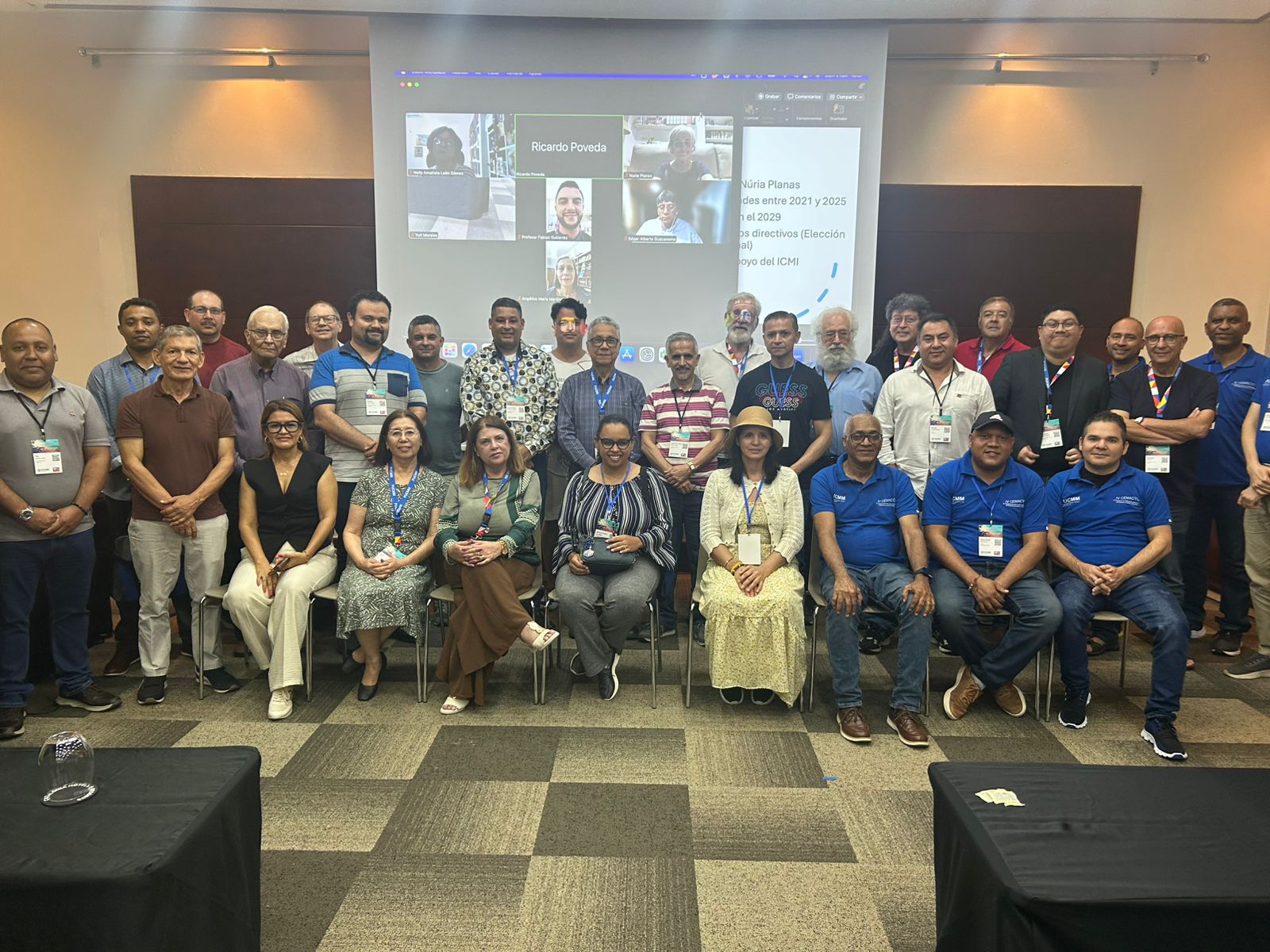
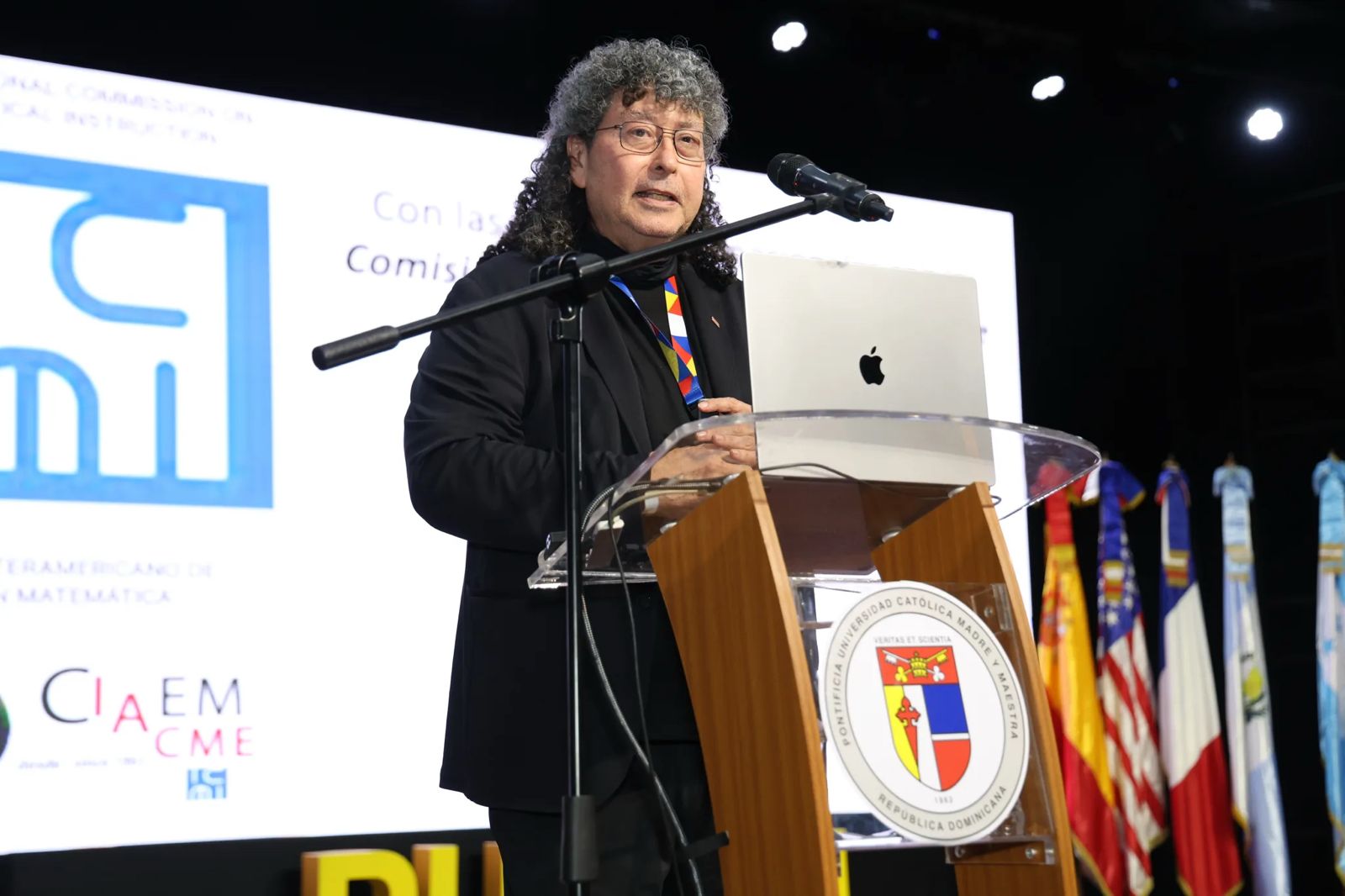
The local organization was carried on by the Pontificia Universidad Católica Madre y Maestra (PUCMM) in Santo Domingo. This is the second time the Dominican Republica and the PUCMM organized a CEMACYC (the first one was held in 2013).
This fourth congress has been a powerful success with more than 300 presentations with speakers from 29 countries who decided to come to this region that has recently been subjected to storms and hurricanes--and it had almost 800 participants. More than 400 teachers from the Dominican Republic directly benefited from conferences, workshops, communications, posters, information sessions, group meetings, and book exhibitions. Several Dominican institutions supported their teachers (even from remote places in the country) and took advantage of this valuable opportunity: a formidable impact for local education.
News from Affiliate Organizations
News from AFRICMA
AFRICMA (the African Mathematical Education Association)
Mary A. Ochieng (PhD), President AFRICMA
This report captures two major events, the AFRICME 7 conference and one CANP 4 activity.
AFRICME 7
The 7th African Regional Congress of ICMI on Mathematics Education (AFRICME 7) was held from July 15-18, 2025. It was hosted by the University of the Witwatersrand, South Africa. The conference was preceded on July 14 by a Teacher Development Day led by Professor Judah P. Makonye, who was also the chair of the local organizing committee. The conference theme was “Acknowledging and Addressing Barriers of Mathematics Education for an Inclusive Africa.”
The conference brought together about 150 delegates from across the continent and beyond, including scholars, teacher educators, postgraduate students, and classroom practitioners. The conference featured over 90 academic presentations, including long papers, short papers, symposia, and panel discussions. The conference proceedings are being finalized and will be published in early 2026. For authors who want their work published in a journal, work is ongoing on a special edition of the African Journal of Teacher Education and Development (AJOTED).
CANP 4 Activities
An AI virtual workshop for mathematics educators in Tanzania was hosted by Aga Khan University Institute for Educational Development East Africa on Friday, October 10, 2025. The workshop was organized by Dr. Howard Omukami and facilitated by Prof. Frederick Mtenzi. The purpose of the workshop was to empower mathematics educators with knowledge and skills to integrate AI tools in the teaching and learning of mathematics in universities and teacher training colleges. The workshop was attended by about 40 participants. Similar workshops will be held for mathematics educators in Kenya, Uganda, and Rwanda early next year. The plan is to have a separate workshop for each of the East African countries for purposes of contextualization and to gather some country-specific data that will inform future activities.
AFRICMA website
We now have a website for AFRICMA. It is a work in progress and we are working to make it better. It can be accessed at https://africma.africa/
News from CIEAEM
Cristina Sabena, President of the International Commission for the Study and Improvement of Mathematics Teaching (CIEAEM) and Lisa Björklund Boistrup, CIEAEM Secretary and Vice-President
CIEAEM77 will be held in Barcelona, July 20-24, 2026
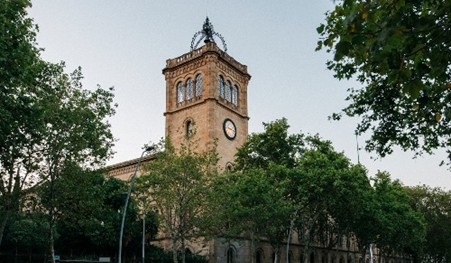
With pleasure we announce that the CIEAEM77 conference will be held in Barcelona (Spain) from July 20-24, 2026. The conference will focus on the theme Connecting being, doing, and knowing in Mathematics Education. As with all CIEAEM conferences, this is a mathematics education conference for researchers, teacher educators, pre-service teachers, and teachers. The chair is Javier Díez-Palomar, with the IPC consisting of Gilles Aldon, Marcelo Almeida Bairral, Giulia Giovana Bini, Audrey Cooke, Corinne Hahn, Susanne Gerofsky, Michaela Kaslová, Andreas Moutsios-Rentzos, Ana Serrado Bayes, Sixto Romero Sánchez, and Cristina Sabena.
With this conference, CIEAEM invites the mathematics education community to reflect on the intertwined dimensions of identity, activity, and cognition that shape mathematical learning and teaching. A rich body of research has shown how learners’ ways of being in mathematics arise through opportunities for meaningful doing—engagement in practices that foster reasoning, problem solving, modelling, and collaboration—while their mathematical knowing develops through sustained participation in these practices and the discourse communities around them.
We welcome work that examines how these dimensions intersect across diverse contexts—whether through inquiries into mathematics and society, the evolving role of digital technologies, the dynamics of teacher learning and professional practice, or the foundational processes that shape students’ mathematical development and assessment. The following subthemes illustrate key areas of interest for this year’s meeting:
- Mathematics, citizenship, ethics, and sustainability. This subtheme covers studies on mathematics for social justice, sustainable mathematics education, and ethical and philosophical approaches to teaching mathematics.
- Technologies and mathematics teaching and learning. This subtheme covers the use of ICT tools for teaching mathematics, generative AI, e-task design, and critical teacher reflection, with technologies supporting mathematical thinking across algebra, arithmetic, geometry, and data management.
- Teacher education, practice, collaboration, and professional learning. This subtheme encompasses research on practices, methodologies, and approaches such as lesson study and collaborative lesson design in mathematics education, professional learning communities and networks, teacher noticing, and analysis of students’ mathematical thinking, along with didactic suitability criteria for task design and evaluation.
- Foundations of learning and assessment in mathematics. This subtheme includes work related to the use of manipulatives and embedded design; the development of reasoning, proof, and communication in mathematics; innovative assessment methods; and the evaluation of competencies such as modelling, problem solving, and data interpretation.
The conference will include working group discussions, poster sessions, and workshops aimed at sharing research, innovative practices, and cross-cultural collaboration. More information can be found at https://www.cieaem.org/index.php/en/
News about EARCOME
Oh Nam Kwon, South Korea
Berinderjeet Kaur, Singapore
EARCOME, or the ICMI-East Asia Regional Conferences in Mathematics Education, has grown into a cornerstone academic event for mathematics educators across East Asia and beyond. Its roots can be traced back to the South-East Asia Conferences on Mathematics Education (SEACME), which began in 1978 in Manila and continued every two or three years in cities such as Kuala Lumpur, Haad Yai, and Singapore. These conferences were pivotal in establishing regional dialogue. In the early 1990s, two ICMI-China Regional Conferences were also organized in Beijing and Shanghai. Building on these traditions, EARCOME officially commenced with its first conference in 1998 in Korea, marking the transition from SEACME into a new era of East Asian collaboration in mathematics education. EARCOME-2 in 2002 was held in conjunction with SEACME-9 in Singapore, symbolizing the completion of this transition, and since then EARCOME has replaced the SEACME series. The conferences have been held triennially, except in years coinciding with the International Congress on Mathematical Education (ICME).
- EARCOME-1 1998 South Korea
- EARCOME-2 2002 Singapore (EARCOME series officially began)
- EARCOME-3 2005 China
- EARCOME-4 2007 Malaysia
- EARCOME-5 2010 Japan
- EARCOME-6 2013 Thailand
- EARCOME-7 2015 Philippines
- EARCOME-8 2018 Taiwan
- EARCOME-9 2025 South Korea
- EARCOME-10 2027 China
EARCOME 9 was successfully held in Seoul, South Korea, from July 18 to 22, 2025, under the theme “RE: Visiting the Essence of Mathematics Education in the Era of Digital Transformation.” The conference was co-hosted by The Korean Society of Educational Studies in Mathematics (KSESM) and The Korean Society of Mathematics Education (KSME). The International Program Committee (IPC) was chaired by Professor Oh Nam Kwon of Seoul National University, with Professor Berinderjeet Kaur of the National Institute of Education, Singapore, serving as Co-Chair. The Local Organizing Committee (LOC) was led by Co-Chairs Ho Kyoung Ko (Ajou University), GwiSoo Na (Cheongju National University of Education), and Jinho Kim (Daegu National University of Education), together with a broad membership representing universities and institutions across Korea. Their efforts ensured that diverse perspectives and expertise were represented, and the organization of the conference reflected both academic excellence and professional inclusivity.
The conference gathered 836 participants from 29 countries across Asia, North and South America, Europe, and Australasia. Among these, 449 participants came from Korea, including 338 mathematics teachers and education professionals, demonstrating the importance of engaging practitioners alongside researchers and policymakers. The academic program was substantial and vibrant. 10 Topic Study Groups (TSGs) formed the heart of the program, with 304 papers presented. In each TSG, Best Paper Awards were presented to recognize outstanding contributions, and the full set of proceedings will be published in the Springer Book Series Mathematics Education – An Asian Perspective, continuing EARCOME’s tradition of disseminating high-quality research. In addition to the TSGs, 53 Poster Presentations, 12 Working Groups, and 10 Special Sharing Groups provided interactive formats for discussion and collaboration, further enriching the academic dialogue. The e-proceedings and photo archives are available on the official conference website (https://earcome9.org), extending access beyond the conference itself.
The cultural and social program of EARCOME 9 was equally memorable. Participants experienced the richness of Korean tradition through performances of pansori, folk songs, and taekwondo while also taking part in hands-on experiences of ceramics and calligraphy. A three-shot photo booth was prepared to provide attendees with personalized keepsakes, and the operation of a dedicated YouTube channel (https://www.youtube.com/@EARCOME9SEOUL) increased accessibility and convenience for participants, especially those who wished to revisit sessions or highlights. These events helped create a vibrant atmosphere of exchange, not only academically but also culturally, building strong community ties among international participants.
EARCOME 9 fulfilled its mission of revisiting the essence of mathematics education in the digital era. It provided a platform for dialogue that connected theory, research, and classroom practice, reflecting the diverse needs of both the academic community and practitioners in schools. By bringing together participants from across the globe and emphasizing inclusivity, it reaffirmed EARCOME’s significance as a venue where regional collaboration informs and enriches the global mathematics education community. Looking ahead, EARCOME 10 will take place in 2027 in China, continuing this tradition of advancing mathematics education through international collaboration, cultural exchange, and scholarly excellence.
News from EMF
Fabienne Venant, Université of Quebec in Montreal, Convenor of EMF2025 (Espace Mathématique Francophone)
It is my pleasure to announce that the proceedings of the conference EMF2025 that took place in Montreal on May 26-30, 2025 are now accessible and open access online : https://sites.google.com/view/emf2025/actes-du-colloque.
These proceedings are also accessible on the general website of EMF, with all from the preceding conferences: https://emf.unige.ch/colloques-invisible/emf2025/actes-bis.
The next conference of EMF will take place in August 2029 in Brazzaville in the Republic of Congo.
News from ERME
Frode Rønning, President of the European Society for Research in Mathematics Education (ERME)
After CERME14 in Bozen-Bolzano in February 2025, the external activities of ERME have been rather modest, but there has been much engagement preparing for activities to come. The preparations for the next congress, CERME15, are on track, and the website is already active. See https://www.cerme15.org. CERME15 will be held in Bratislava, Slovakia, from February 8-12, 2027. The local organising committee is chaired by Mária Slavíčková and Katarína Žilková from the Comenius University in Bratislava, and the international programme committee is chaired by Andreas Eichler (Kassel University, Germany) and Dorota Lembrér (Malmö University, Sweden).
However, also in 2026, many activities will be held under the auspices of ERME. Since 2016, 18 so-called ERME Topic Conferences (ETCs) have been held. The ETCs are conferences organised on a specific research theme or themes related to the work of ERME as presented in associated working groups at CERME conferences. The CERMEs are organised around Thematic Working Groups (TWGs), and an ETC may evolve from one TWG or be a collaboration between members of two or more TWGs. In recent years, the interest to hold ETCs has increased significantly, and in 2026 a total of 10 ETCs will take place. This is by far a new record. A complete list of these TWGs can be found on the ERME website, http://erme.site
An important part of the ERME activities is the various events for young researchers. Early-career researchers are organised in a specific ERME community called YERME, which is governed by an elected Committee and has official representatives from the different European countries. YERME usually runs a summer school (YESS) in the years in between the CERMEs, and in 2026 YESS14 will be held in Utrecht, The Netherlands, from August 2-7, 2026. See https://www.uu.nl/en/research/yess14-august-2026 for details.
When a CERME has been arranged, there is still a lot of work to do, not the least of which is the proceedings. It is expected that the proceedings from CERME14 will be available in December 2025, and then they can be found in the HAL-archives, or accessed from the ERME site: http://erme.site/cerme-proceedings-series/
News from the ISGEm
Milton Rosa - President of International Study Group on Ethnomathematics (ISGEm)
The ISGEm Executive Board invites the mathematics education community, especially the ethnomathematics community, to participate in the 8th International Conference on Ethnomathematics – ICEm 8.
8th INTERNATIONAL CONFERENCE ON ETHNOMATHEMATICS
August 2–7, 2026
National University of San Antonio Abad del Cusco
DECOLONIZATION AND ETHNOMATHEMATICS
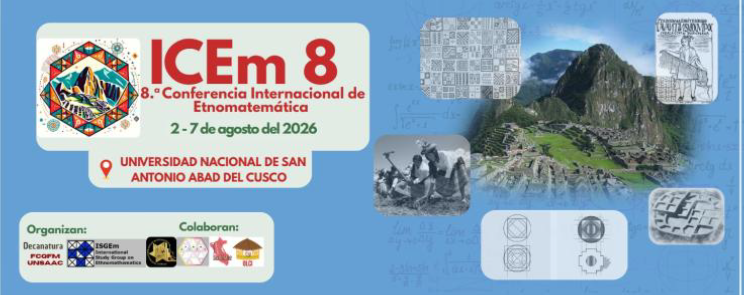 The International Study Group on Ethnomathematics (ISGEm) and the Faculty of Chemical, Physical and Mathematical Sciences of the National University of San Antonio Abad of Cusco are organizing the 8th International Conference on Ethnomathematics – ICEm8, an event that will take place from August 2 to 7, 2026 in the city of Cusco, Peru.
The central theme of the event is Decolonization and Ethnomathematics and its main objective is the promotion, dissemination, study, and generation of research projects in Ethnomathematics carried out by mathematicians and mathematics educators attending the event for the integration of the cultural knowledge of native peoples and other minority groups, in the theory and practice of mathematics as well as in its teaching, as part of the process of epistemological decolonization.
Regarding the specific objectives, the need has been considered to encourage the production of research projects in Ethnomathematics by teachers and students from the different universities attending the event; to create national and international collaboration networks for the development of joint research work with representatives of the institutions participating in the congress; to foster spaces for contact between academics from the participating institutions to discuss topics on Ethnomathematics; to offer undergraduate and graduate students in Mathematics and Mathematics Education the possibility of interacting with international researchers in Ethnomathematics; and to promote academic production and scientific publications in the field of Ethnomathematics.
Furthermore, it is considered that ICEm 8 will allow the creation of a scientific cooperation link between participating researchers; present innovative experiences for the teaching and learning of mathematics; socialize teaching and learning practices of mathematics based on the sociocultural approach; disseminate the contributions of the specific didactics of Ethnomathematics and share ways of mediating the learning of mathematics using diverse techniques and strategies; and broaden the Ethnomathematical perspective to respond to current problems.
The objectives proposed by the organizers of ICEm 8 will revolve around the following themes or areas of interest and research questions that will be discussed at the event:
- Decolonization and Indigenous Mathematics
- Revaluation and Recovery of Knowledge from Non-Western Cultures
- Ethnomathematics and Social Justice
- Ethnomathematics and Teacher Education
- Ethnomathematics and Critical Mathematics Education
- Ethnomathematics and the Ethics of Diversity
- Ethnomathematics and Sociocultural Modelling
- Ethnomathematics and the Linguistic Dimension
- Ethnomathematics and the Socioecological Dimension
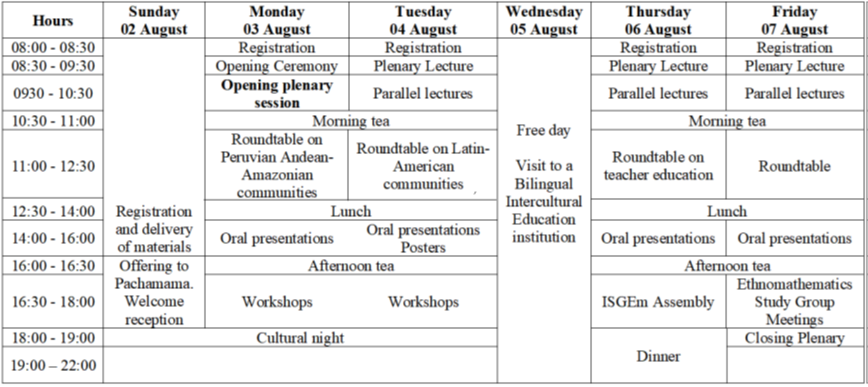
To facilitate discussion of the proposed topics, the following participation modalities have been determined: plenary or parallel conferences, round tables, oral communications, workshops, posters, and exhibition of materials, which are organized in the program bellow.
PROGRAM
News from 2026 ISDDE
Conference Announcement from the International Society for Design and Development in Education (ISDDE)
Christian Schunn (Former Executive Chair; Journal Committee Chair) Aucune entrée d'index n'a été trouvée.
The Center for Mathematical Modeling (CMM) at the University of Chile, in Santiago, Chile, is delighted to host the 2026 ISDDE Conference, from May 18 to 20. This ISDDE conference will be the first ever held in Latin America, offering a unique opportunity to learn about the challenges and advances in educational design across the region. We look forward to the participation of professionals and researchers from Latin America, providing an opportunity to expand the ISDDE network and foster new collaborations.
The conference will take place at the Faculty of Physical and Mathematical Sciences (https://ingenieria.uchile.cl/english), which houses programs in Engineering and Science. Its campus combines modern facilities with classrooms full of history. We look forward to welcoming you to Santiago-Chile in May! https://www.isdde.org/conferences/ More information coming soon!
Call for Eddie and Aspiring Designer Award Nominations
We are pleased to announce the opportunity to apply for two ISDDE prizes:
- The Bell Burkhardt Daro Shell Centre Awards for Aspiring Educational Designers in Science, Technology, Engineering or Mathematics
The International Society for Design and Development in Education (ISDDE) is pleased to announce this Award created to provide sums of US$1000 to encourage the work of aspiring educational designers in Science, Technology, Engineering, or Mathematics who have demonstrated promise. The award will contribute to the development of a new product focused on supporting learners from marginalized communities and/or their teachers. For example, this could be a resource that supports a few hours of student learning, a brief assessment, or a professional development workshop.
For full details and the online application form, please visit https://www.isdde.org/prizes-call-for-nominations/
The deadline for submissions is January 31, 2026. The ISDDE Prize for Excellence in Design for STEM Education (the “Eddie”)
The “Eddie” is a prize of US $5000 for well-documented excellence in STEM design. The ISDDE Prize is awarded to an individual or a team either for a single ‘product’ or for work over a period of years that has demonstrated excellence in design for education in mathematics, science, or technology. In 2026, the ISDDE Excellence in Educational Design award will be a Lifetime Achievement award—for an individual's work over a period of years.Nominations of expressions of interest may be submitted here; please submit by January 25, 2026.
News from MCG
International Group for Mathematical Creativity and Giftedness - MCG-15 Conference in Calgary - Canada
Dr. Ayman Aljarrah, Dr. Paulino Preciado Babb, Dr. Matthew Makel

The 15th International Conference on Mathematical Creativity and Giftedness (MCG-15) will be held at the University of Calgary, Calgary, Alberta, Canada from September 14–17, 2027.
Calgary is a highly accessible city for international visitors, with its international airport receiving flights from various locations worldwide. As the third largest city in Canada, Calgary is a vibrant community in Western Canada, offering numerous places to explore. Commuting throughout the city is generally straightforward. The University of Calgary is less than 30 minutes away from the airport by taxi, with a regular fare of under $60. By public transit, the journey takes over an hour. The City of Calgary is a wonderful place to visit, with many attractions, natural spaces, and walking paths across the city. It is close to the Rocky Mountains, with plenty of tourist destinations nearby, such as Banff National Park and Lake Louise. It is advisable to plan your trip, as you will want at least a full day to visit these destinations.
The University of Calgary is conveniently located within walking distance to various amenities, including the new University District, which features restaurants, retail stores, a cinema, and more. Nearby, you'll find Market Mall, offering numerous options for shopping and dining. The main campus of the University of Calgary is also accessible via the city train, making it easy to travel to diverse attractions throughout the city. Whether you choose to remain near the university or venture into the wider city, a diverse array of activities awaits you to enjoy.
News from ICMI Country Representatives
News from the Philippines
MTAP–TL Strengthens Its Commitment to Mathematics Education Through Expanded Activities, the 2025 Annual Convention, and New Partnerships
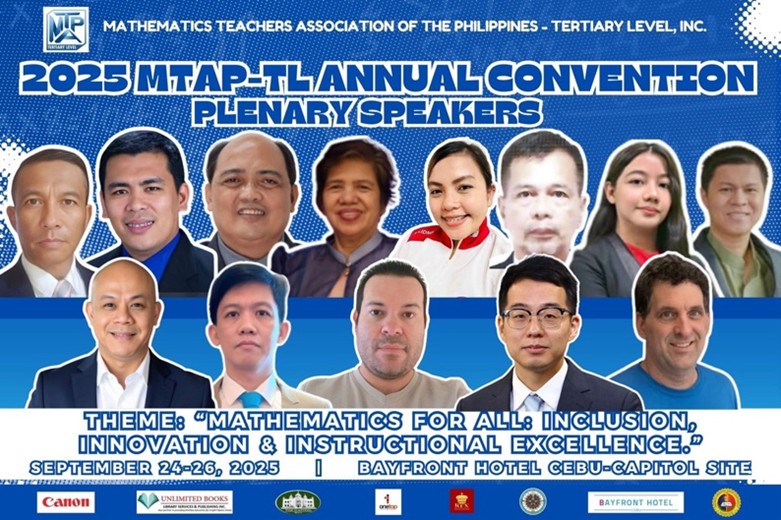 The Mathematics Teachers Association of the Philippines – Tertiary Level (MTAP–TL) successfully concluded its 2025 Annual Convention on September 24–26 at the Bayfront Hotel Cebu—an energizing gathering under the theme “Mathematics for All: Inclusion, Innovation, and Instructional Excellence.” Educators, researchers, and partners from across the Philippines and abroad came together for three days of plenaries, panels, and hands-on workshops that highlighted practical teaching strategies, research-based innovations, and diverse perspectives in mathematics education. The program featured sessions on textbook writing, the CRA (Concrete–Representational–Abstract) approach, AI-assisted research, calculator pedagogy, ethnomathematics, mathematical modeling, and tech-enhanced instruction, offering participants actionable insights and classroom-ready tools.
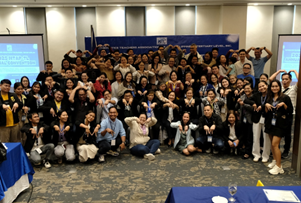
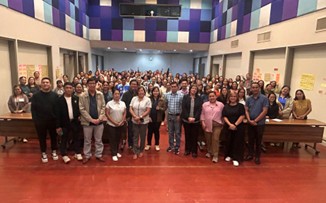
The convention’s mix of on-site and virtual speakers created a rich exchange of ideas. Philippine experts shared grounded approaches to lesson design and assessment, while international presenters introduced global best practices in GeoGebra integration, STEAM-based learning, and interactive modeling. Teachers and researchers engaged in dynamic discussions, microsharing sessions, and collaborative workshops, making the convention not only a venue for learning but also a space for reflection, networking, and professional growth.
In another initiative reflecting MTAP–TL’s continuing commitment to teacher development, the organization partnered with the Schools Division Office (SDO) of the City of Antipolo for a three-day professional development series held on November 19, 20, and 28, 2025, at First Pacific Learning Academy. Centered on the theme “Mastering the CPA Triad: Empowering Mathematics Teachers Through Content, Pedagogy, and Assessment Redefined,” the sessions focused on the CPA approach, CRA-based (Contextualized, Research-Anchored) 21st-century learning, mastery-oriented assessments, and inquiry-driven pedagogies—all aligned with the Department of Education’s MATATAG curriculum to strengthen foundational mathematics instruction and support effective classroom implementation.
The workshops offered teachers a highly interactive environment featuring model lessons, microteaching, and assessment clinics that allowed participants to apply new strategies immediately.
As MTAP–TL continues its 2025 initiatives, the organization celebrates meaningful collaborations and expanding educational impact. The annual convention strengthened nationwide dialogue on mathematics education, while the Antipolo partnership showcased MTAP–TL’s dedication to bringing high-quality training directly to local communities. Together, these initiatives affirm MTAP–TL’s commitment to supporting teachers, enriching instruction, and making mathematics more accessible and engaging for all learners.
News from Poland
Edyta Juskowiak, ICMI Country Representative
The 32nd School of Mathematics Education (Szkoła Dydaktyki Matematyki)
The 32nd School of Mathematics Education (Szkoła Dydaktyki Matematyki) was held on September 25-27, 2025 at the Faculty of Mathematics, Physics and Informatics of the University of Gdańsk. The event was organized by the Faculty of Mathematics, Physics and Informatics of the University of Gdańsk in collaboration with the Faculty of Mathematics and Computer Science of Adam Mickiewicz University in Poznań. Among the patrons and sponsors were Gdańskie Wydawnictwo Oświatowe, the Institute for Educational Development, and WSiP Publishing House.
The conference gathered 163 participants—teachers, researchers, students, and mathematics educators from across Poland—around the central theme “How to Teach Mathematics Today for Tomorrow?” Its aim was to create a platform for exchanging both theoretical and practical experiences and to present new perspectives in mathematics education. The programme included plenary lectures, paper sessions, workshops, panel discussions, and a poster session, covering such topics as active learning methods, students’ mathematical thinking, problem-solving strategies, didactic experiments, use of technology, analysis of learners’ errors, mathematical modelling, constructivist approaches, and teaching practice experiences.
The conference opened with a plenary lecture by Prof. Marek Kaczmarzyk (University of Silesia) entitled “What if Schools Did Not Need to Be Reinvented?” emphasizing the understanding of natural learning mechanisms. Later sessions included paper presentations and a poster session commemorating Prof. Stefan Turnau. The second day featured a lecture by Prof. Dorota Klus-Stańska, “Is School Mathematics in Retreat? A Constructivist Perspective,” followed by a panel debate on implementing modern teaching methods and curriculum reform. Participants could also join guided tours of Gdańsk, attend the Pomeranian Researchers’ Night, or visit the University of Gdańsk campus, combining academic and cultural activities. The final plenary lecture, by Prof. Edyta Juskowiak (Adam Mickiewicz University), “Between Outcome and Experience: How to Teach Mathematics Today so that It Matters Tomorrow,” summarized the conference’s philosophy, stressing the balance between achievement and meaningful educational experience.
A series of practical workshops followed, focusing on mathematical games, digital technologies, and student engagement. Notably, a strong group from the Poznań mathematics education community, including members of the STuDMat student research group, actively contributed through talks and workshops. Participants evaluated the event as inspiring and practically valuable, emphasizing its high academic quality and collegial atmosphere.
Thanks to the collaboration of organizers, the scientific committee, partners, and sponsors, the 32nd School of Mathematics Education successfully fulfilled its mission of fostering discussion, mutual motivation, and ongoing commitment to improving mathematics education—today for tomorrow.
Conference website: https://szkoladydaktykamatematyki.netlify.app/
The First Online Meeting of the National Seminar on Mathematics Education MOST
On October 15, 2025, the first online meeting of this academic year of the National Seminar on Mathematics Education MOST took place. The seminar, launched in October 2023 as the Interuniversity National Thematic Seminar on Mathematics Education, is an initiative of Polish mathematics educators, designed for teachers, researchers, and students from across the country. Meetings are held remotely via Zoom on selected Wednesdays from 8:00 to 9:30 p.m.
The October session featured a presentation by Małgorzata Zambrowska (Maria Grzegorzewska University) and Marcin Karpiński (School of Education of the Polish-American Freedom Foundation and the University of Warsaw) titled “The Relationship between the Core Curriculum for Primary School and the Level of Mathematics Teaching.” The speakers discussed two opposing perspectives expressed during the development of the national curriculum — one advocating the inclusion of additional content, the other calling for a reduction of what is seen as an overloaded syllabus — and examined how curriculum design can, or cannot, influence the quality of mathematics teaching at the primary level. The ensuing discussion allowed participants to identify the areas where curricular decisions affect classroom practice and those that remain beyond their practical impact.
Upcoming MOST Seminar meetings will be announced and available at https://mostdm.uken.krakow.pl/spotkania-w-roku-akad-2025-2026/ where the schedule and topics can be followed.
News from South Africa
Dr. VG Govender, ICMI Country Representative
Introduction
The Association for Mathematics Education of South Africa was formed in June 1993, less than a year before the first democratic elections of South Africa in April 1994. Since 1994, AMESA has had 30 National Congresses, the last one being in Polokwane, Limpopo in June/July 2025. The next AMESA National Congress takes place from July 13-17, 2026, in Mbombela, Mpumalanga. The theme for the 2026 Congress is: Breaking barriers through innovation: Towards vision 2030 and beyond.
South African Mathematics Team Competition
The South African Mathematics Team Competition took place on Saturday, September 13, 2025. Teams from different schools combine to form local or regional teams, comprising junior learners (from Grades 8 & 9) and senior learners (from Grades 10 – 12). The first part of the Competition is a one-hour individual problem paper, consisting of 15 problems in multiple-choice format. The second part consists of ten difficult problems. Here the members work together and must produce just one set of answers. The 2025 champions for the Junior section are Boland and for the Senior section Western Cape.
South African Mathematics Awards
The South African Mathematics Foundation, comprising the Association for Mathematics Education in South Africa (AMESA) and the South African Mathematics Society (SAMS), held its annual awards on Saturday, October 25, 2025 in Johannesburg.
Pictures from the SAMF Awards held on October 25, 2025 in Johannesburg, South Africa.
Teacher Development
The fourth quarter of 2025 saw 581 high school teachers and 252 primary school teachers participate in Mathematics Problem Solving courses. This was done in an effort to capacitate teachers so that more of their learners take part in South African Problem-Solving competitions.
AMESA Review of Grade 12 Mathematics-related Examinations
The final school year exit level Grade 12 mathematics-related examinations (Mathematics/Mathematical Literacy/Technical Mathematics) took place on October 31 and November 3, 2025. Learners in South Africa choose Mathematics/Technical Mathematics or Mathematical Literacy from Grade 10 onwards. AMESA compiles reviews of these Grade 12 papers throughout South Africa, and the final report is sent to the Department of Basic Education. These reviews started in 2009. Some of key issues discussed in the review are:
Technical aspects; Language used; Syllabus coverage; Standard of the paper; Compliance with levels of thinking (cognitive levels); Comparison to the previous year’s paper; Learners’ views on the papers, Unfair questions and Overall verdict.
Conferences to Come
ISDDE Conference 2026
Dates: May 18 - 20, 2026
Location: University of Chile, in Santiago, Chile
more information on the website.
CIEAEM77
Dates: July 20-24, 2026
Location: Barcelona, Spain
More information on the website.
World Federation of National Mathematics Competitions - WFNMC-10
Dates: July 22-28, 2026
Location: Putrajaya, Malaysia
More information on the website.
Pre-registration
8th INTERNATIONAL CONFERENCE ON ETHNOMATHEMATICS
Dates: August 2–7, 2026
Location: National University of San Antonio Abad del Cusco, Peru
African Association for Mathematics Didactic (ADiMA) 5th ADiMA Conference (ADiMA-5)
Dates: December 14–18, 2026
Location: Niamey, Niger
website to be established
CERME15
Dates:February 8-12, 2027
Location: Bratislava, Slovakia
More information on the website
15th International Conference on Mathematical Creativity and Giftedness (MCG-15)
Dates: September 14–17, 2027
Location: University of Calgary, Calgary, Alberta, Canada
More Information on the website.
ICME-16
Dates: July 9-16, 2028
Location: Prague, CZ
More information on the website.